
Delhi, the capital city of India, is a vibrant metropolis that perfectly captures the country’s rich history, cultural diversity, and modern aspirations. Often described as a city of contrasts, Delhi seamlessly blends ancient traditions with contemporary life. It has served as the seat of power for several dynasties and empires, including the Mughals and the British, leaving behind an extraordinary legacy of monuments, architecture, and cultural landmarks. For travelers, Delhi is both an introduction to India and a destination in its own right, offering an immersive experience filled with history, spirituality, cuisine, and everyday life.
One of the most iconic landmarks in Delhi is the Red Fort, a UNESCO World Heritage Site built by Mughal Emperor Shah Jahan in the 17th century. Constructed from red sandstone, the fort stands as a symbol of India’s historical grandeur and political heritage. Nearby is the magnificent Jama Masjid, one of the largest mosques in India, known for its vast courtyard and striking minarets. From the mosque’s steps, visitors can witness the lively chaos of Old Delhi, where narrow lanes, spice markets, and street food stalls offer an authentic glimpse into the city’s traditional heart.
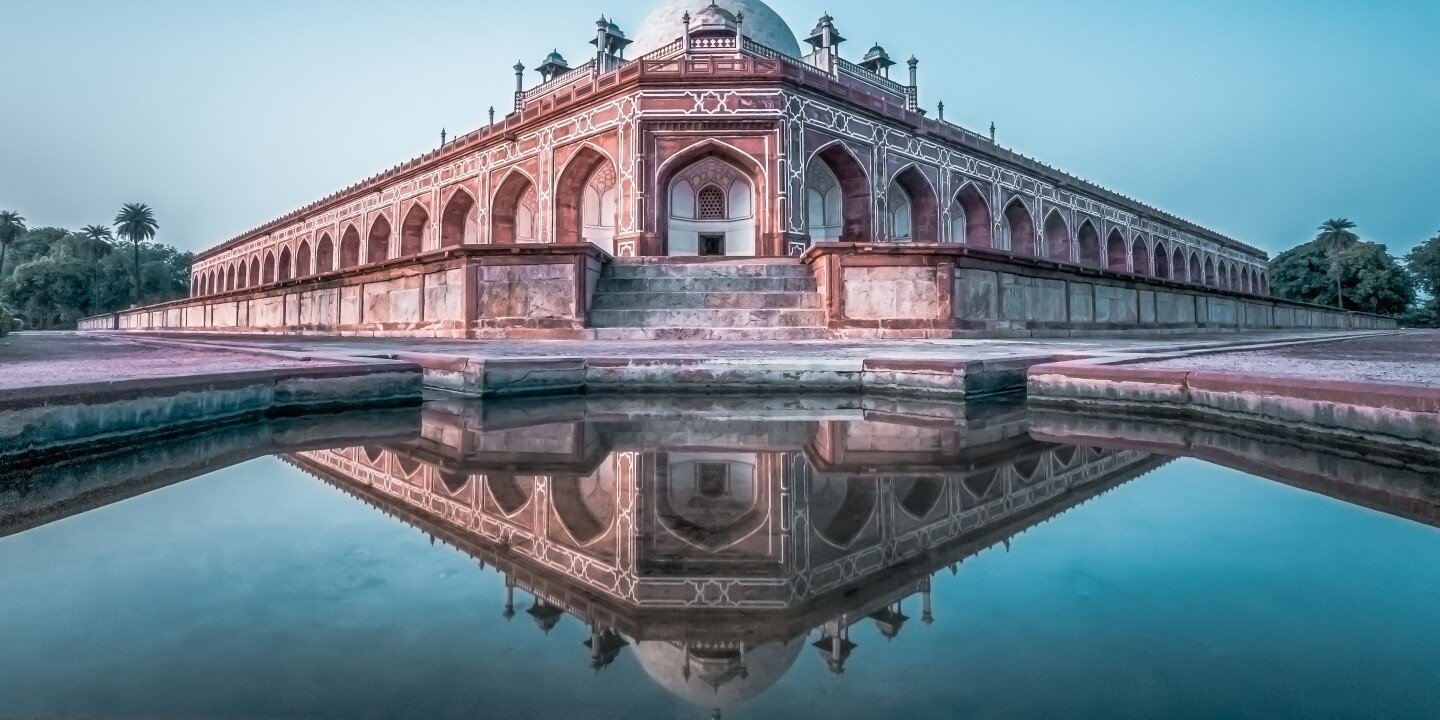
Another UNESCO-listed monument, the Qutub Minar, is a towering victory monument that showcases exquisite Indo-Islamic architecture and intricate stone carvings. Surrounded by ancient ruins, it provides insight into Delhi’s early Islamic history. Equally impressive is Humayun’s Tomb, a stunning example of Mughal garden-tomb architecture and a precursor to the Taj Mahal. Its symmetrical design, red sandstone structure, and serene gardens make it one of Delhi’s most beautiful historical sites.
Moving into New Delhi, visitors encounter wide boulevards, colonial-era buildings, and well-maintained green spaces. India Gate, a prominent war memorial, honors Indian soldiers who lost their lives during World War I. It is especially popular in the evenings when families and visitors gather to enjoy the illuminated monument and surrounding lawns. Nearby, landmarks such as Rashtrapati Bhavan (the Presidential Residence) and Parliament House highlight the city’s role as the political center of the nation.
Delhi is also a city of deep spiritual significance, representing multiple religions and belief systems. The Lotus Temple, known for its unique flower-like design, is open to people of all faiths and offers a peaceful environment for meditation and reflection. The Akshardham Temple is another major attraction, combining spirituality, art, and cultural exhibitions to showcase India’s ancient traditions and values. Sikh visitors and travelers alike often explore Gurudwara Bangla Sahib, a revered Sikh shrine known for its holy pond and community kitchen that serves free meals to thousands every day.
Beyond monuments and temples, Delhi’s charm lies in its vibrant markets and culinary scene. Chandni Chowk is famous for its bustling bazaars, traditional sweets, textiles, and legendary street food such as chaat, parathas, and kebabs. Modern shopping districts like Connaught Place and upscale neighborhoods offer cafés, restaurants, and international brands, reflecting Delhi’s contemporary lifestyle.
In essence, Delhi is a city that tells the story of India’s past while embracing its future. Its historic monuments, spiritual centers, lively markets, and cultural diversity make it an essential destination for anyone seeking to understand the soul of India. Whether exploring ancient ruins, savoring local cuisine, or simply observing daily life, Delhi leaves visitors with a lasting and unforgettable impression.
Best Places to visit in Delhi
Leave a Reply