
Introduction to Uttar Pradesh: Art, Culture, and Freedom Struggle
Uttar Pradesh, located in the northern part of India, is one of the most historically important and culturally vibrant states of the country. Often referred to as the cradle of Indian civilization, Uttar Pradesh has played a decisive role in shaping India’s art, culture, and national movement. From ancient times to the modern era, the state has remained a center of spiritual thought, artistic excellence, and political awakening.
Uttar Pradesh is especially renowned for its rich artistic and cultural heritage. The state has been a major center of classical Indian art forms. In the field of music, it is home to famous gharanas such as the Banaras, Lucknow, and Agra gharanas, which have contributed immensely to Hindustani classical music. Legendary musicians and composers emerged from this region, making it a guiding force in Indian music traditions. Similarly, Kathak, one of the most graceful classical dance forms of India, developed and flourished under the patronage of rulers in Lucknow and surrounding regions. Kathak is known for its rhythmic footwork, expressive gestures, and storytelling style.
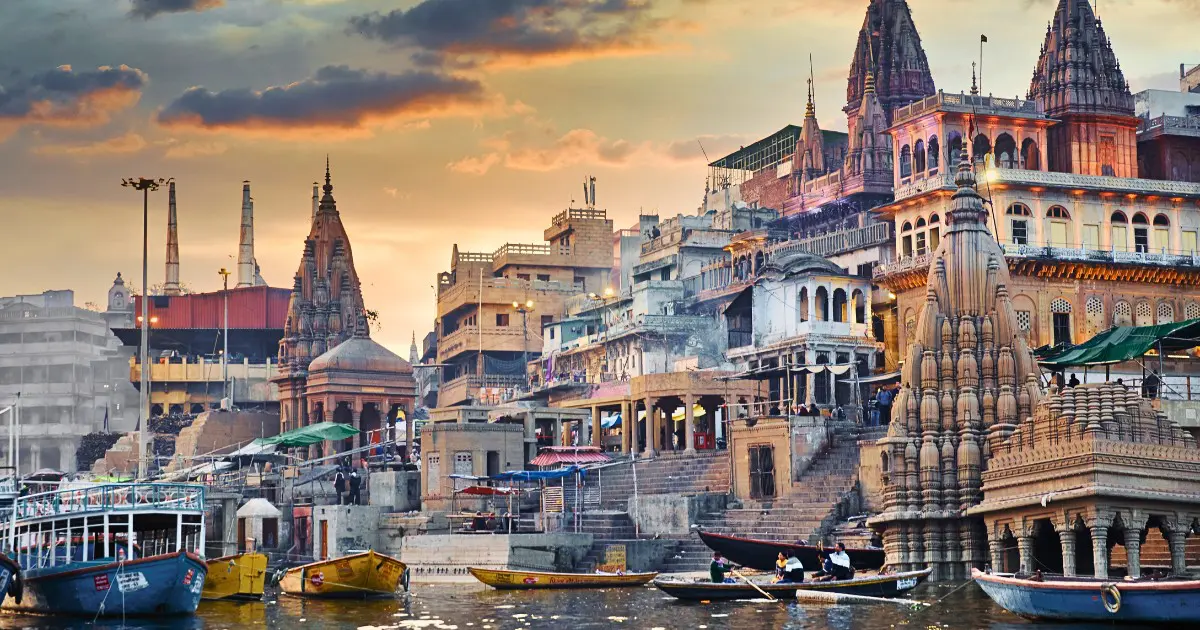
Uttar Pradesh is also famous for its handicrafts and traditional arts. The delicate chikankari embroidery of Lucknow, the brassware of Moradabad, glassware of Firozabad, wood carving of Saharanpur, and zardozi work are admired both in India and abroad. These crafts reflect the skill, creativity, and cultural depth of the people of the state. Architecture in Uttar Pradesh also represents a blend of Hindu, Buddhist, Islamic, and Mughal styles. Magnificent monuments such as the Taj Mahal, Agra Fort, Bara Imambara, and ancient temples of Varanasi and Mathura stand as symbols of artistic excellence.
Culturally, Uttar Pradesh holds immense religious and spiritual importance. It is associated with the lives of Lord Rama (Ayodhya) and Lord Krishna (Mathura and Vrindavan), making it a sacred land for Hindus. At the same time, Buddhism and Jainism also flourished here, with places like Sarnath and Kaushambi holding special significance. Festivals such as Diwali, Holi, Ram Navami, and the world-famous Kumbh Mela at Prayagraj reflect the vibrant and inclusive cultural life of the state. Hindi and Urdu literature also developed richly in Uttar Pradesh, producing great poets, writers, and thinkers.
Along with its cultural legacy, Uttar Pradesh played a pivotal role in India’s freedom struggle. The state was at the forefront of resistance against British rule. The Revolt of 1857, often regarded as the first war of Indian independence, began in Meerut and soon spread to Kanpur, Lucknow, Jhansi, and other parts of the region. Freedom fighters such as Mangal Pandey, Rani Lakshmibai, Begum Hazrat Mahal, and Nana Saheb emerged as symbols of courage and sacrifice.
During the 20th century, Uttar Pradesh became a strong center of the Indian national movement. Cities like Prayagraj (Allahabad), Kanpur, and Lucknow witnessed active participation in movements led by Mahatma Gandhi, including the Non-Cooperation Movement, Civil Disobedience Movement, and Quit India Movement. The state produced several prominent national leaders such as Jawaharlal Nehru, Motilal Nehru, Lal Bahadur Shastri, Govind Ballabh Pant, and Chandra Shekhar Azad, who played key roles in shaping independent India.
In conclusion, Uttar Pradesh stands as a land of artistic brilliance, cultural diversity, and patriotic sacrifice. Its contribution to Indian art and culture has enriched the nation’s identity, while its role in the freedom struggle has left an indelible mark on India’s history. Even today, Uttar Pradesh continues to influence India’s cultural and political life, making it a state of immense national importance.
PLACES TO VISIT IN UTTAR PRADESH
Leave a Reply