
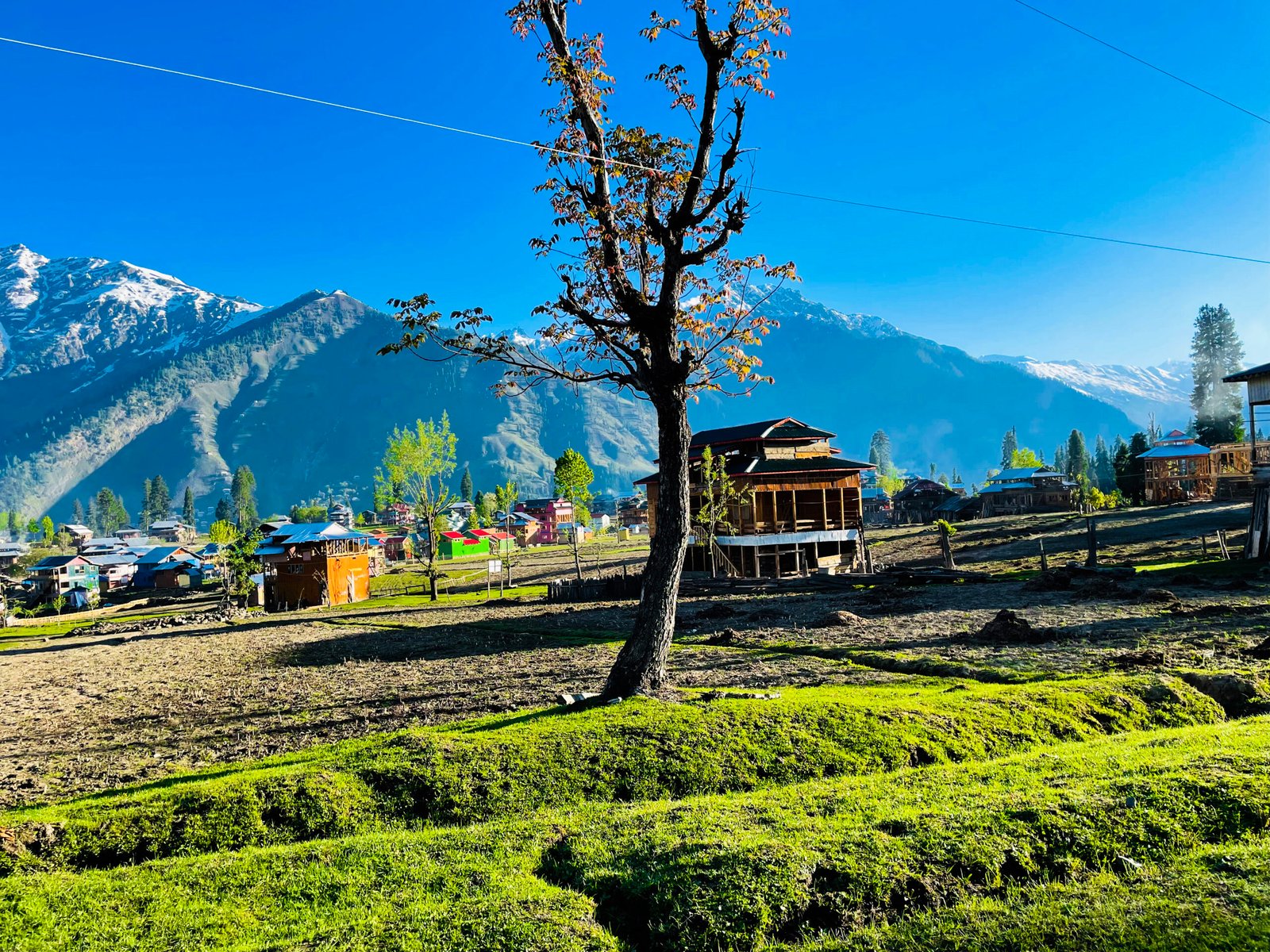
Himachal Pradesh, nestled in the lap of the western Himalayas, is a state renowned for its breathtaking landscapes as well as its rich and distinctive art and culture. The mountains, valleys, and remote villages of Himachal have preserved traditions that have been passed down through generations. The art and culture of Himachal Pradesh reflect a deep connection with nature, strong religious beliefs, and a simple yet vibrant way of life shaped by the region’s geography and history.
The cultural identity of Himachal Pradesh is closely linked to its folk traditions. Each district has its own customs, dialects, attire, and artistic expressions, giving the state a remarkable cultural diversity. Folk music and dance play an essential role in social and religious life. Traditional dances such as Nati, Chham, Kayang, and Losar Shona Chuksam are performed during festivals, fairs, and special occasions. Among these, Nati is the most popular and is recognized as one of the largest folk dances in the world when performed in groups. These dances are usually accompanied by folk songs that narrate stories of gods, heroes, love, and everyday life.
Music in Himachal Pradesh is deeply rooted in devotion and folklore. Traditional instruments like the nagara, dhol, damru, shehnai, and flute are commonly used during festivals and temple ceremonies. Folk songs often express emotions related to nature, seasons, marriage, and religious devotion. Many of these songs are sung in local dialects, which helps preserve the linguistic heritage of the region.
Art and craftsmanship form an important part of Himachal Pradesh’s cultural heritage. The state is famous for its traditional handicrafts, which reflect both creativity and practicality. Pahari painting is one of the most significant art forms of Himachal Pradesh. Originating in the hill kingdoms, these miniature paintings are known for their delicate lines, soft colors, and themes drawn from mythology, nature, and royal life. Kangra painting, a well-known style of Pahari art, is especially admired for its romantic and devotional themes.
Handloom weaving is another prominent cultural expression. Woolen products such as shawls, caps, socks, and blankets are widely produced, especially in regions like Kullu, Kinnaur, and Lahaul-Spiti. Kullu shawls, with their distinctive geometric patterns and bright borders, are famous across India. Traditional Himachali caps, varying in color and design from region to region, are a symbol of pride and identity for the people.
Religion and spirituality strongly influence the art and culture of Himachal Pradesh. The state is often referred to as “Dev Bhoomi,” or the Land of Gods, due to its large number of temples and shrines. Temple architecture in Himachal Pradesh is unique, with styles such as Kath-Kuni that use stone and wood to create sturdy yet artistic structures. Temples are not just places of worship but also centers of cultural activity, where festivals, fairs, music, and dance bring communities together.
Festivals in Himachal Pradesh showcase the harmonious blend of art, devotion, and social life. Celebrations like Kullu Dussehra, Minjar Fair, Lavi Fair, and Phulaich reflect local traditions and artistic expressions. During these festivals, people dress in traditional attire, perform folk dances, display handicrafts, and participate in rituals that honor local deities.
In conclusion, the art and culture of Himachal Pradesh are a reflection of its natural surroundings, spiritual beliefs, and community-oriented lifestyle. Despite modern influences, the people of Himachal continue to preserve their cultural heritage with pride. Their art, music, dance, and traditions not only define their identity but also add to the cultural richness of India as a whole.
PLACES TO VIST IN HIMACHAL
- Place1
- Place2
- Place3
- Place4
Leave a Reply