
Punjab is a vibrant and historically rich state located in the northwestern part of India, known for its fertile land, brave history, and lively culture. Often referred to as the “Land of Five Rivers,” Punjab has played a crucial role in shaping India’s agricultural, cultural, and spiritual identity. The state’s culture is one of the most colorful and energetic in the country, marked by strong traditions, warm hospitality, and a deep sense of community.
At the heart of Punjab’s culture lies agriculture. The vast green fields of wheat and mustard are not just a source of livelihood but a way of life for the people. Punjab is known as the “Granary of India” because of its significant contribution to food production, especially after the Green Revolution. Farming cycles influence daily routines, festivals, and social customs, strengthening the bond between people and the land. Village life in Punjab reflects simplicity, cooperation, and a close-knit social structure.
Music and dance are central to Punjabi culture and express the spirit of joy and celebration. Bhangra and Giddha are the most popular traditional dance forms. Bhangra, originally performed by farmers to celebrate a good harvest, is energetic and full of powerful movements, while Giddha, performed by women, is graceful and expressive, often accompanied by folk songs known as boliyan. Punjabi folk music, with instruments like the dhol, tumbi, and algoza, is lively and rhythmic, and it has influenced modern Indian and global music in a significant way.
Festivals in Punjab are celebrated with great enthusiasm and reflect both cultural and religious diversity. Baisakhi is the most important festival, marking the harvest season and the formation of the Khalsa by Guru Gobind Singh Ji. Lohri, celebrated in winter, is a joyful occasion centered around bonfires, folk songs, and traditional foods. Other festivals such as Gurpurabs, Diwali, and Hola Mohalla are also observed with devotion and communal harmony. These celebrations bring families and communities together, reinforcing shared values and traditions.
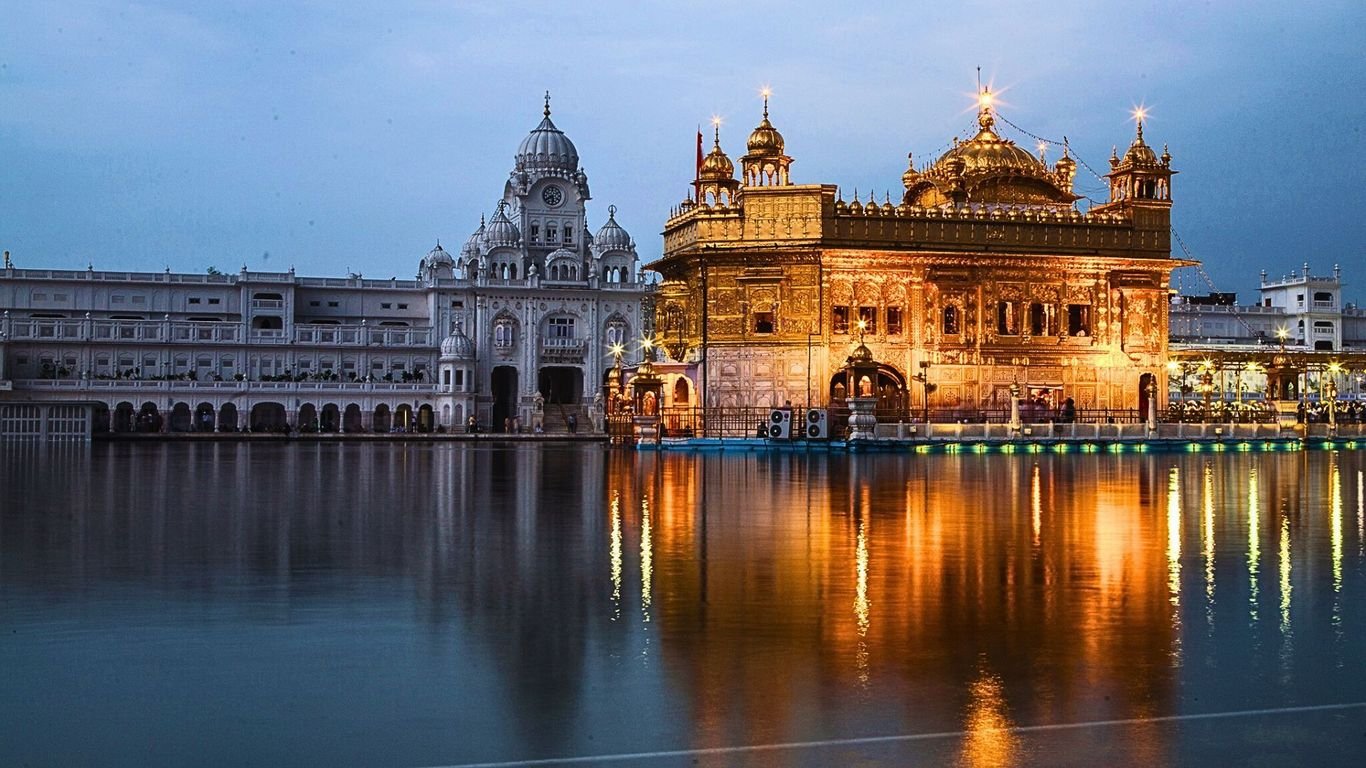
Religion plays a vital role in shaping Punjabi culture. Sikhism, which originated in Punjab, strongly influences the state’s social and moral fabric. The teachings of Sikh Gurus emphasize equality, service, and devotion. The Golden Temple in Amritsar, the holiest shrine of Sikhism, is a symbol of peace, unity, and spiritual strength. The tradition of langar, or community kitchen, where free meals are served to people of all backgrounds, beautifully reflects the spirit of selfless service and equality.
Punjabi cuisine is rich, hearty, and full of flavor, reflecting the hardworking lifestyle of the people. Wheat-based foods like makki di roti and sarson da saag are iconic dishes of the state. Dairy products such as butter, ghee, and lassi are widely used, adding richness to meals. Punjabi food is known for its generosity, with meals often served in large portions, symbolizing warmth and hospitality.
Overall, Punjab’s culture is a celebration of life, resilience, and togetherness. Through its music, festivals, food, and spiritual values, Punjab presents a unique cultural identity that continues to thrive while embracing change. The energy, pride, and warmth of its people make Punjab not just a state, but a powerful cultural experience.
Places to Visit in Punjab
- Punjab1
- Punjab-2
- Punjab-3
- Punjab-4
Leave a Reply