
History of Karnataka: A Journey Through Time and Culture
Karnataka, located in the southwestern part of India, has a rich and ancient history that stretches back thousands of years. From early human settlements to powerful empires and a vibrant modern state, Karnataka’s past has played a major role in shaping its unique cultural identity. The land has witnessed the rise and fall of many dynasties, each contributing to its art, architecture, language, and traditions.
The early history of Karnataka dates back to prehistoric times, as seen in stone tools and cave paintings found in places like Maski and Hiregudda. In ancient times, the region was ruled by the Mauryas and later the Satavahanas, who promoted trade, agriculture, and Buddhism. During this period, Karnataka became an important cultural and commercial center connecting North and South India.
One of the most significant phases in Karnataka’s history began with the rule of the Kadambas and Gangas (4th–6th centuries CE). The Kadambas established Kannada as an administrative language for the first time, laying the foundation for Kannada literature and culture. The Gangas supported Jainism, resulting in remarkable monuments like the statue of Gomateshwara at Shravanabelagola, which remains a symbol of spiritual and artistic excellence.
The Chalukyas of Badami and later the Rashtrakutas brought political stability and cultural growth. They built magnificent rock-cut temples at Badami, Aihole, and Pattadakal, which show a blend of North and South Indian architectural styles. These sites highlight Karnataka’s contribution to Indian temple architecture and are recognized today as world heritage monuments.
The Hoysalas further enriched Karnataka’s history through their detailed and decorative temple architecture. Temples at Belur, Halebidu, and Somanathapura are famous for their intricate stone carvings depicting gods, goddesses, dancers, animals, and scenes from epics. These temples reflect not only religious devotion but also the high level of artistic skill achieved during this period.
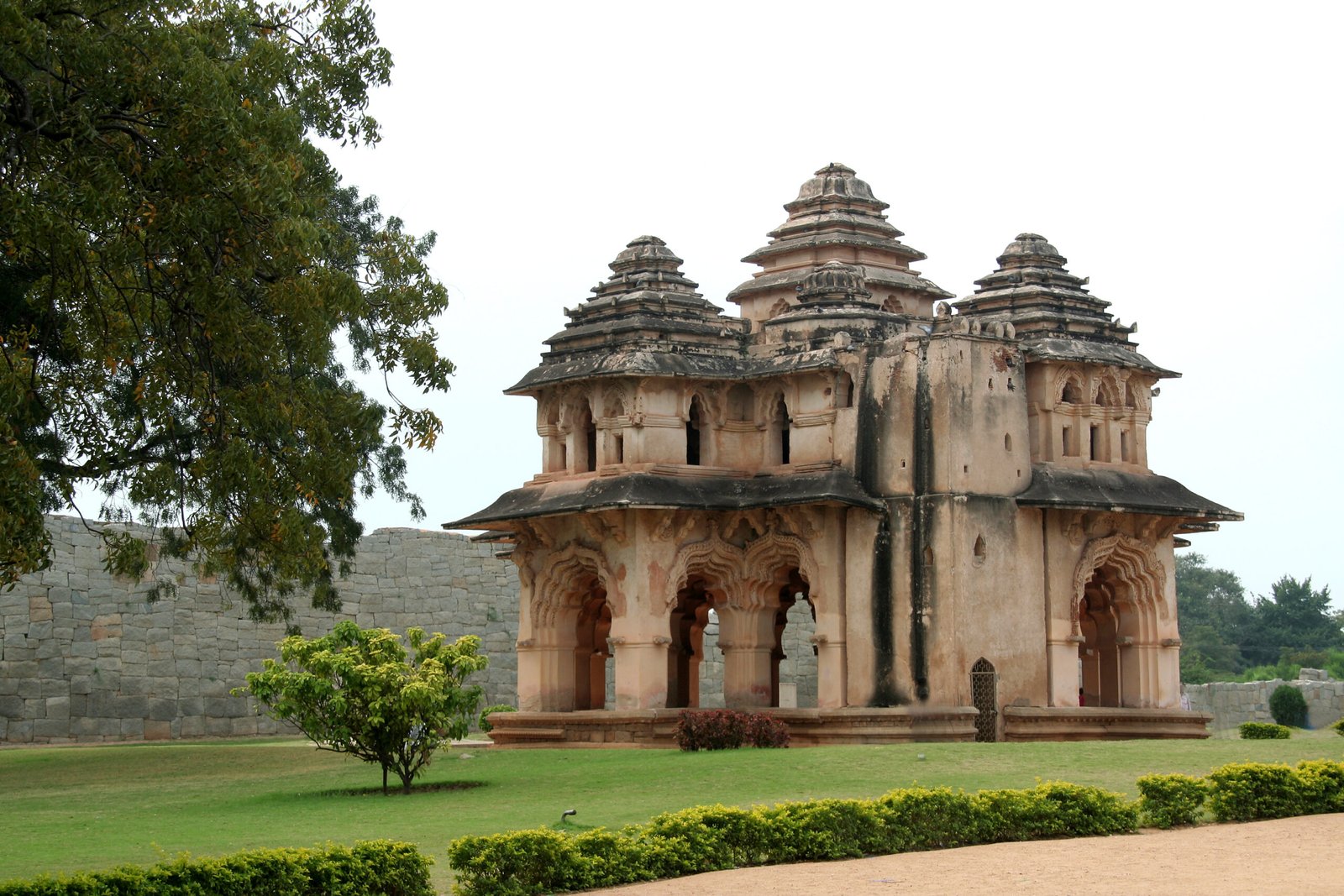
In the 14th century, the Vijayanagara Empire rose as one of the greatest empires in Indian history. With its capital at Hampi, it became a center of trade, culture, and learning. The rulers supported art, music, dance, and literature, making Karnataka a cultural hub. Even today, the ruins of Hampi stand as a reminder of the empire’s grandeur.
After the fall of Vijayanagara, Karnataka came under the rule of various powers, including the Bahmani Sultanate, Mysore Kingdom, and later the British. The rulers of Mysore, especially Hyder Ali and Tipu Sultan, modernized administration and encouraged industry and education. Under British rule, Karnataka experienced social reforms and the spread of modern education.
Karnataka’s culture is deeply rooted in its history. The state is known for classical music forms like Carnatic music, traditional dances such as Yakshagana and Dollu Kunitha, and rich folk traditions. Kannada literature, one of the oldest in India, continues to thrive. Festivals like Dasara, Ugadi, and Makara Sankranti reflect the cultural unity of the people.
Thus, the history of Karnataka is a story of continuity and diversity. Its culture, shaped by centuries of tradition and innovation, remains a living expression of its glorious past and dynamic present.
Places to Visit in Karnataka
- Mysore
- Hamp
- Badami
Leave a Reply