
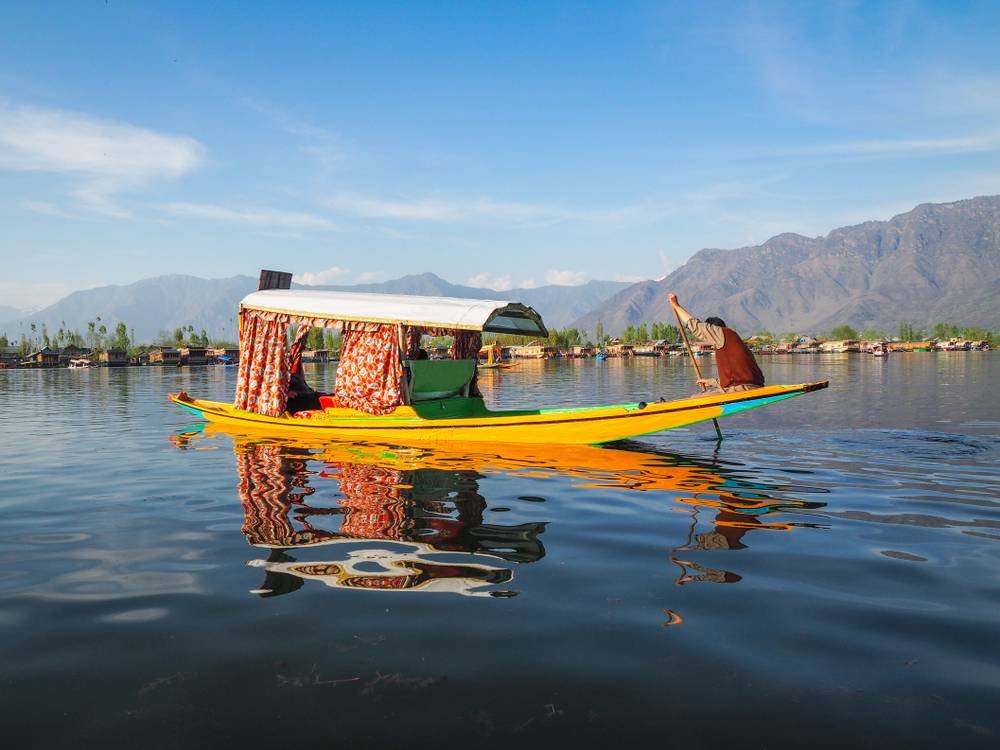
Jammu and Kashmir, often described as the “Crown of India,” is a region of extraordinary natural beauty and rich cultural heritage. Nestled in the northernmost part of the country, it is known for its snow-capped mountains, lush valleys, serene lakes, and vibrant traditions. The culture and food of Jammu and Kashmir reflect centuries of history, diverse influences, and a deep connection to the land, making the region unique and fascinating.
The culture of Jammu and Kashmir is shaped by its geography, religion, and historical interactions with Central Asia, Persia, and the Indian subcontinent. The region is broadly divided into three cultural areas: Jammu, the Kashmir Valley, and Ladakh, each with its own traditions, languages, and customs. Kashmiri culture, in particular, is renowned for its refinement, poetry, music, and strong sense of community. Languages such as Kashmiri, Dogri, Urdu, and Hindi are commonly spoken, reflecting the region’s linguistic diversity.
Art and craftsmanship hold a special place in the cultural identity of Jammu and Kashmir. The region is famous worldwide for its exquisite handicrafts, which include handwoven carpets, Pashmina shawls, papier-mâché items, walnut wood carving, and intricate embroidery. These crafts are not merely decorative but represent generations of skilled artisans who have preserved traditional techniques. Kashmiri carpets, known for their detailed patterns and fine quality, are especially admired, while Pashmina shawls symbolize luxury and elegance.
Music and dance also play an important role in the cultural life of the region. Traditional music forms such as Chakri, Rouf, and Sufiana Kalam reflect both folk traditions and spiritual themes. Rouf, a graceful dance performed mainly by women during festivals and weddings, expresses joy and togetherness. Sufi traditions have also deeply influenced Kashmiri culture, promoting values of love, harmony, and tolerance.
Food is one of the most distinctive and cherished aspects of Jammu and Kashmir’s cultural identity. Kashmiri cuisine is rich, aromatic, and deeply rooted in tradition. The most famous culinary tradition is the Wazwan, a grand multi-course meal that is an essential part of weddings and special occasions. Prepared by skilled chefs known as wazas, Wazwan includes dishes such as Rogan Josh, Yakhni, Gushtaba, Rista, and Tabak Maaz. These dishes are known for their complex flavors, slow cooking methods, and generous use of spices like fennel, ginger, and saffron.
Rice is the staple food of the Kashmir Valley and is often served with a variety of meat-based dishes. The use of mustard oil, yogurt, and dried spices gives Kashmiri food its unique taste. Saffron, grown in the Pampore region, is one of the most prized ingredients and adds a distinctive aroma and color to many dishes. Traditional breads like naan, sheermal, and kulcha are popular, especially in local bakeries known as kandur.
The cuisine of Jammu has its own identity, influenced by Dogra culture. Dishes such as Rajma, Kalari cheese, ambal, and various lentil preparations are popular. The region also enjoys a variety of sweets and festive foods, reflecting its agricultural traditions.
In conclusion, the culture and food of Jammu and Kashmir are a reflection of its rich history, artistic excellence, and deep-rooted traditions. From its elegant handicrafts and soulful music to its flavorful cuisine, the region offers a cultural experience that is both diverse and deeply memorable. Despite challenges, the people of Jammu and Kashmir continue to preserve their heritage with pride, making it one of India’s most culturally significant regions.
PLACES TO VIST IN JAMMU & KASHMIR
- Place1
- Place2
- Place3
- Place4
- Place5
Leave a Reply