
Here is a 500–600 word history of Kerala, clearly including its art and culture, written in a simple and well-structured style suitable for exams, assignments, or general reading:
History of Kerala: A Land of Tradition, Art, and Cultural Harmony
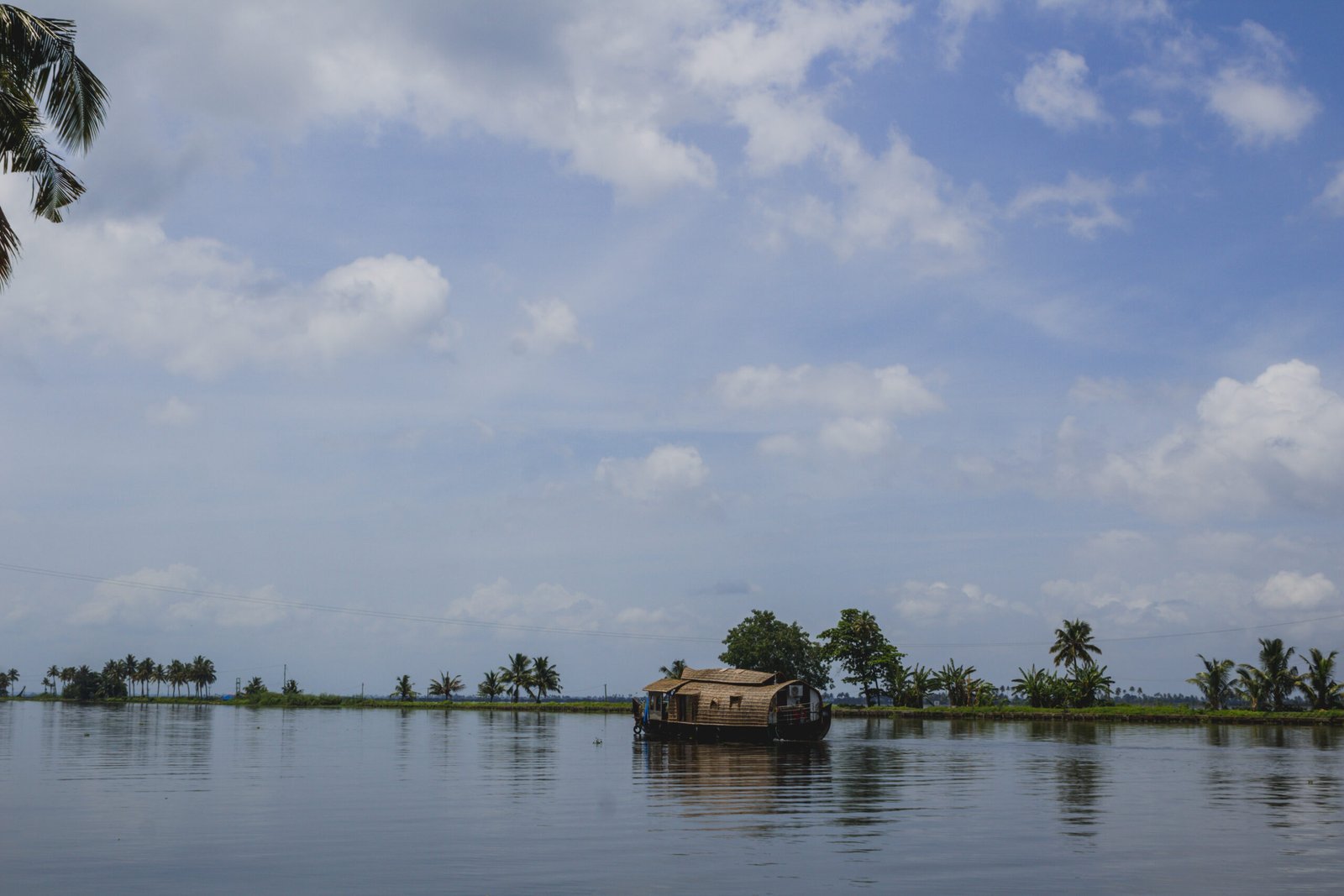
Kerala, located on the southwestern coast of India, is known for its serene backwaters, lush greenery, and rich cultural heritage. The history of Kerala is unique because it developed through trade, religious harmony, and artistic traditions rather than large-scale wars and empires. From ancient times to the modern era, Kerala has maintained a strong cultural identity shaped by its geography and people.
The early history of Kerala dates back to prehistoric times, with evidence of human settlements found in various regions. In ancient India, Kerala was known as Keralaputra and later as Chera Nadu, named after the powerful Chera dynasty. The Cheras ruled much of the region from around the 3rd century BCE to the 12th century CE. They played a key role in promoting trade, especially the spice trade, which connected Kerala with Rome, Greece, Arabia, and China. Pepper, cardamom, and cinnamon made Kerala a wealthy and culturally diverse land.
Due to maritime trade, Kerala became one of the earliest regions in India to welcome foreign influences. Judaism, Christianity, and Islam arrived in Kerala centuries ago and flourished peacefully alongside Hinduism. This religious coexistence is a defining feature of Kerala’s culture and history. Temples, churches, and mosques stand close to each other, symbolizing social harmony.
After the decline of the Cheras, Kerala was divided into small kingdoms such as Venad, Kochi, and Zamorin of Calicut. The Zamorin rulers encouraged trade and cultural growth, making Calicut a major port. In the 15th century, European powers like the Portuguese, Dutch, and British arrived, drawn by the spice trade. Though colonial rule affected local administration, it also introduced modern education, printing, and social reforms.
The princely states of Travancore and Cochin played an important role in Kerala’s modernization. Progressive rulers introduced reforms in education, healthcare, and administration. Social reformers like Sree Narayana Guru and Ayyankali fought against caste discrimination and promoted equality, shaping Kerala’s modern social structure. In 1956, Kerala was formed as a state based on the Malayalam language.
Kerala’s art and culture are deeply rooted in its history. Classical dance forms such as Kathakali, Mohiniyattam, and Koodiyattam are world-famous for their expressive movements, elaborate costumes, and storytelling based on epics. Ottamthullal and Theyyam represent vibrant folk traditions that blend ritual, performance, and devotion.
Music in Kerala includes classical Carnatic traditions as well as folk songs like vadakkan pattukal (northern ballads) and sopana sangeetham. Malayalam literature, one of the richest in India, has produced renowned poets and writers such as Kumaran Asan, Vallathol, and Vaikom Muhammad Basheer.
Kerala’s festivals reflect its cultural diversity. Onam, the harvest festival, celebrates the mythical King Mahabali and includes snake boat races, floral decorations, and traditional dances. Vishu, the New Year festival, symbolizes hope and prosperity. Temple arts, martial traditions like Kalaripayattu, and unique architecture with sloping roofs further enrich Kerala’s cultural landscape.
In conclusion, the history of Kerala is a story of peaceful coexistence, artistic excellence, and social progress. Its art and culture, shaped by centuries of tradition and openness to the world, continue to make Kerala a unique and inspiring land.
Places to Visit in Kerala
- Kerala
- Kerala
- Kerala
Leave a Reply