
The Story of Agra
Agra, located on the banks of the Yamuna River in the northern Indian state of Uttar Pradesh, is one of the most celebrated cities in the country and a cornerstone of India’s historical and cultural heritage. Best known as the home of the iconic Taj Mahal, Agra draws millions of visitors from around the world each year. Once the capital of the powerful Mughal Empire, the city is steeped in history, grand architecture, and timeless stories of love, power, and artistry.
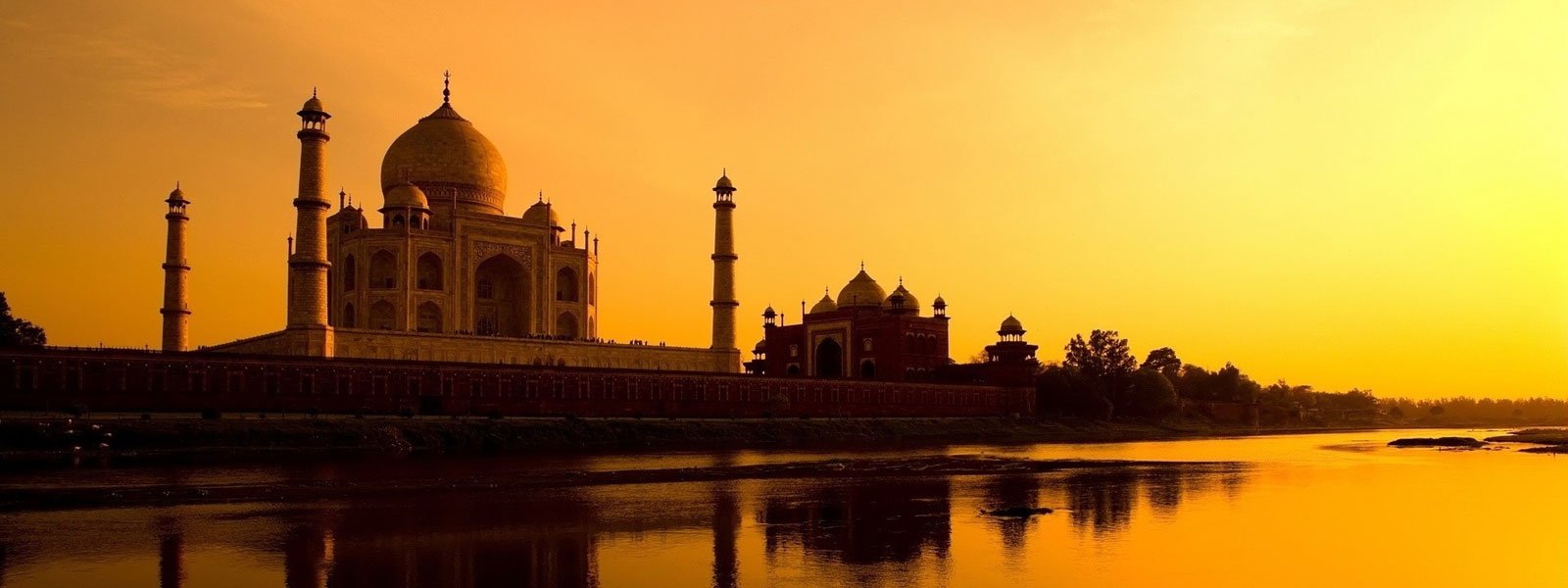
The Taj Mahal, a UNESCO World Heritage Site and one of the Seven Wonders of the World, is Agra’s most famous landmark. Built in the 17th century by Mughal Emperor Shah Jahan in memory of his beloved wife Mumtaz Mahal, the monument is an extraordinary symbol of eternal love. Constructed entirely of white marble and adorned with intricate inlay work using precious and semi-precious stones, the Taj Mahal changes color with the light of the day, appearing soft pink at dawn, radiant white at noon, and golden under the moonlight. The perfectly symmetrical gardens, reflecting pools, and elegant domes create an atmosphere of serenity and awe that leaves a lasting impression on every visitor.
Equally impressive is the Agra Fort, another UNESCO World Heritage Site that stands just a short distance from the Taj Mahal. This massive red sandstone fort served as the main residence of Mughal emperors for generations. Inside its fortified walls are a series of palaces, mosques, and audience halls, including the Diwan-i-Am (Hall of Public Audience) and Diwan-i-Khas (Hall of Private Audience). From certain vantage points within the fort, visitors can enjoy breathtaking views of the Taj Mahal across the Yamuna River, offering a deeper understanding of the city’s royal past.
Another significant monument in Agra is Itimad-ud-Daulah’s Tomb, often referred to as the “Baby Taj.” Built before the Taj Mahal, this elegant marble mausoleum is considered a prototype of Mughal architectural refinement. Its delicate lattice screens and floral designs make it a quieter yet equally enchanting site. Nearby, Mehtab Bagh, a charbagh-style garden located across the river, provides one of the best sunset views of the Taj Mahal and is ideal for photography and relaxation.
Beyond its monuments, Agra offers a rich cultural experience through its local crafts and cuisine. The city is famous for marble inlay work, leather goods, and handicrafts that reflect centuries-old artistic traditions. Agra’s culinary offerings include Mughlai dishes, flavorful curries, and popular sweets such as petha, a local delicacy made from ash gourd.
In essence, Agra is more than just a city of monuments; it is a living museum of Mughal grandeur and artistic excellence. Its architectural masterpieces, historical significance, and cultural richness make Agra an essential destination for anyone seeking to explore India’s timeless heritage.
Leave a Reply